The Caribbean was the birthplace of modernity. Here, European imperialism and capitalistic colonialism created cruel sugar plantations powered by enslaved Africans. However, there’s still so much we don’t know about the people living in the shadows of this modernity ― beyond the sugar islands and outside the plantation. These forgotten lives beg to be known.
IslandLives is a historical archaeology project that shifts the focus of Caribbean history away from the typical plantation narrative. It throws light on the everyday lives of people on the islands of Aruba, Curaçao, and Bonaire (ABC islands) revealing how they constructed their unique alternative modernities, driven by a bustling informal maritime trade rather than the sugar economy. This approach reveals a deeper history of how Caribbean peoples actively shaped their own societies, rather than simply being passive victims of European colonialism.
With IslandLives we aim to rebalance tired narratives with a rich compendium of fresh narratives of the past resulting from cutting-edge scientific research and archaeological and historical investigations on the ABC islands undertaken by our team and partners.
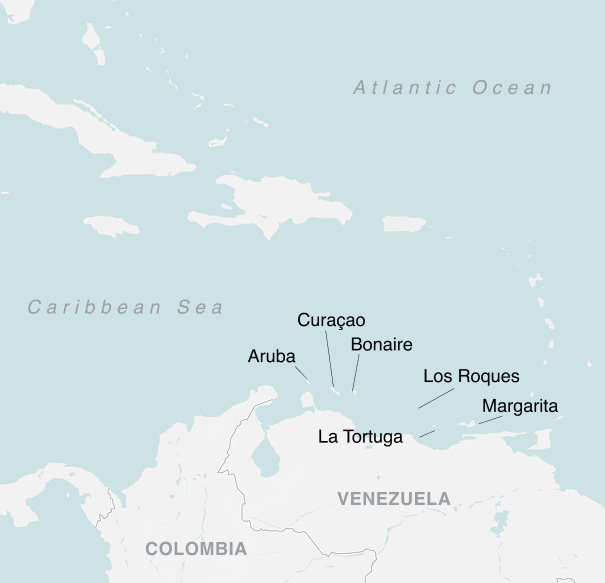
Historical events that shaped the region
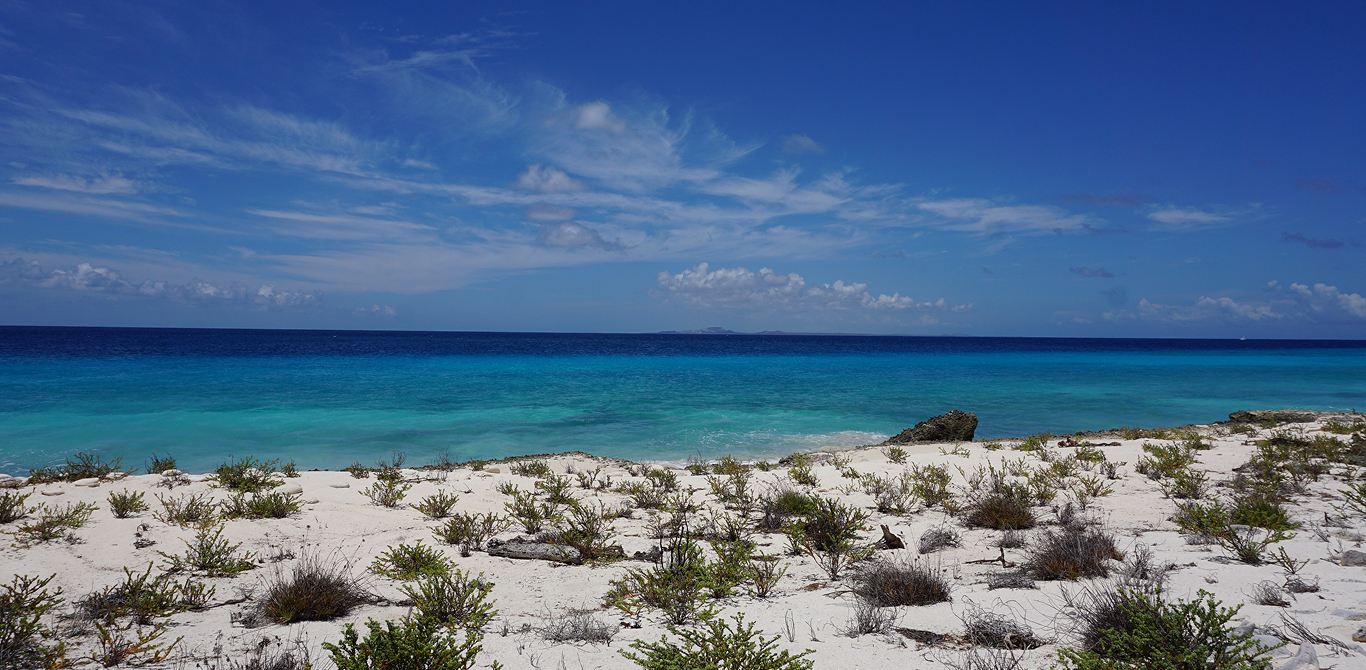
An often forgotten yet fundamental part of the Caribbean, the Southern Caribbean is dominated by 2,718 km of Venezuelan coastline and the Leeward Antilles. These include more than 90 Venezuelan islands, among them Margarita, La Tortuga and the Los Roques Archipelago, and the “ABC” islands of Aruba, Bonaire, and Curaçao that are currently part of the Kingdom of the Netherlands.
The history of the Southern Caribbean region can be broadly visualized through seven major events running from the Indigenous settlement of the ABC islands during the precolonial period to the formation of the republics of Venezuela and Colombia in the 19th century. The Southern Caribbean has always been a transimperial and transnational region, exhibiting many linguistic, culinary, religious, and cultural similarities due to its shared history. In the present, Curaçao and Aruba are constituent countries within the Kingdom of the Netherlands and Bonaire is a special municipality or public body of The Netherlands. All three islands are overseas territories (OCTs) of the European Union.
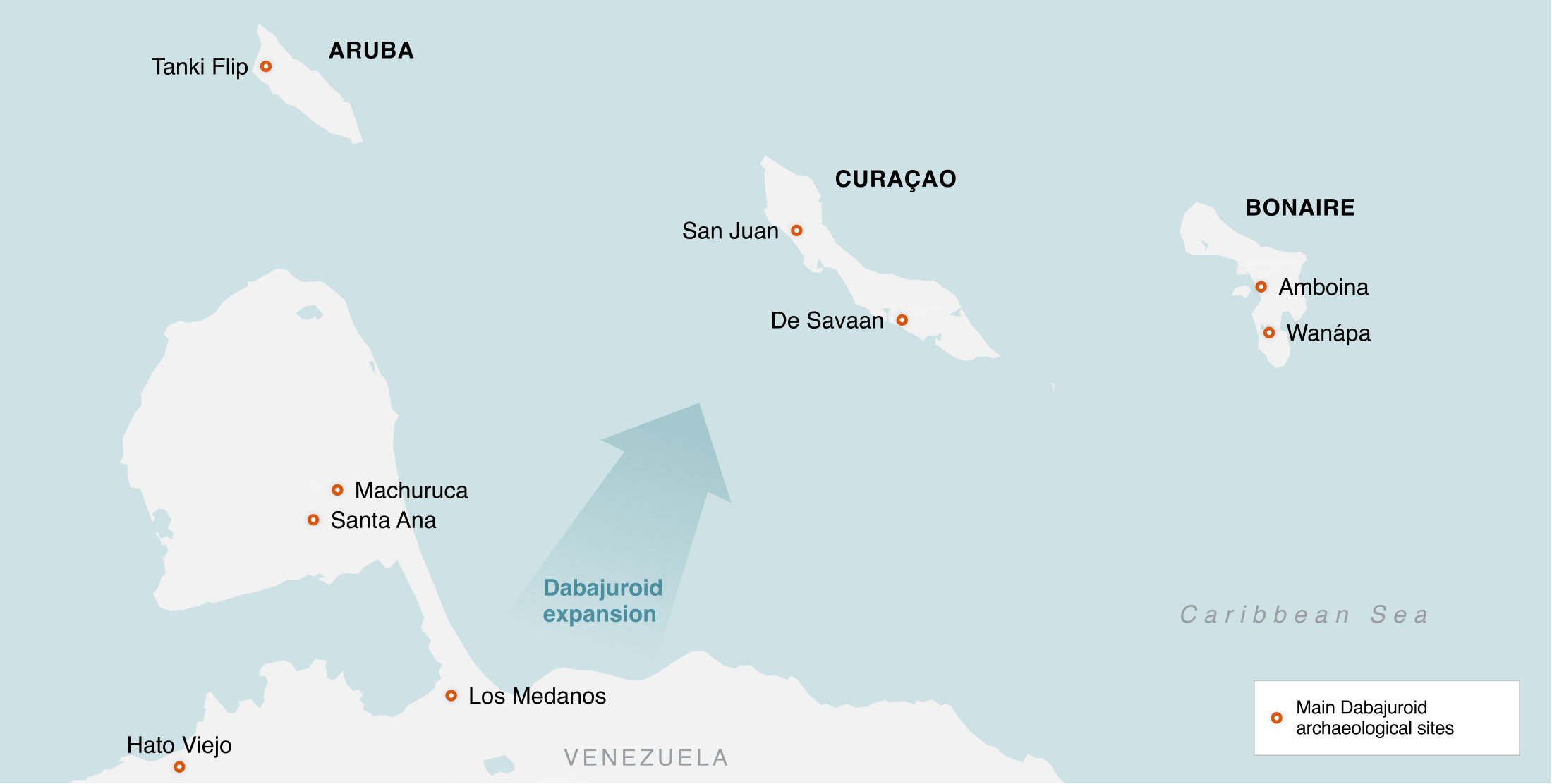
Pre - 1499
The ABC island were first populated after c. 500 A.D. when the ceramic-age Indigenous people migrated here from northern South America. They are known archaeologically as the bearers of Dabajuroid-series ceramics. Upon European contact in 1499 and subsequent Spanish colonization, these Arawakan-speakers were described by the Spanish as Caquetíos. These Indigenous people are known from numerous archaeological sites and their descendants live on the islands to this day.


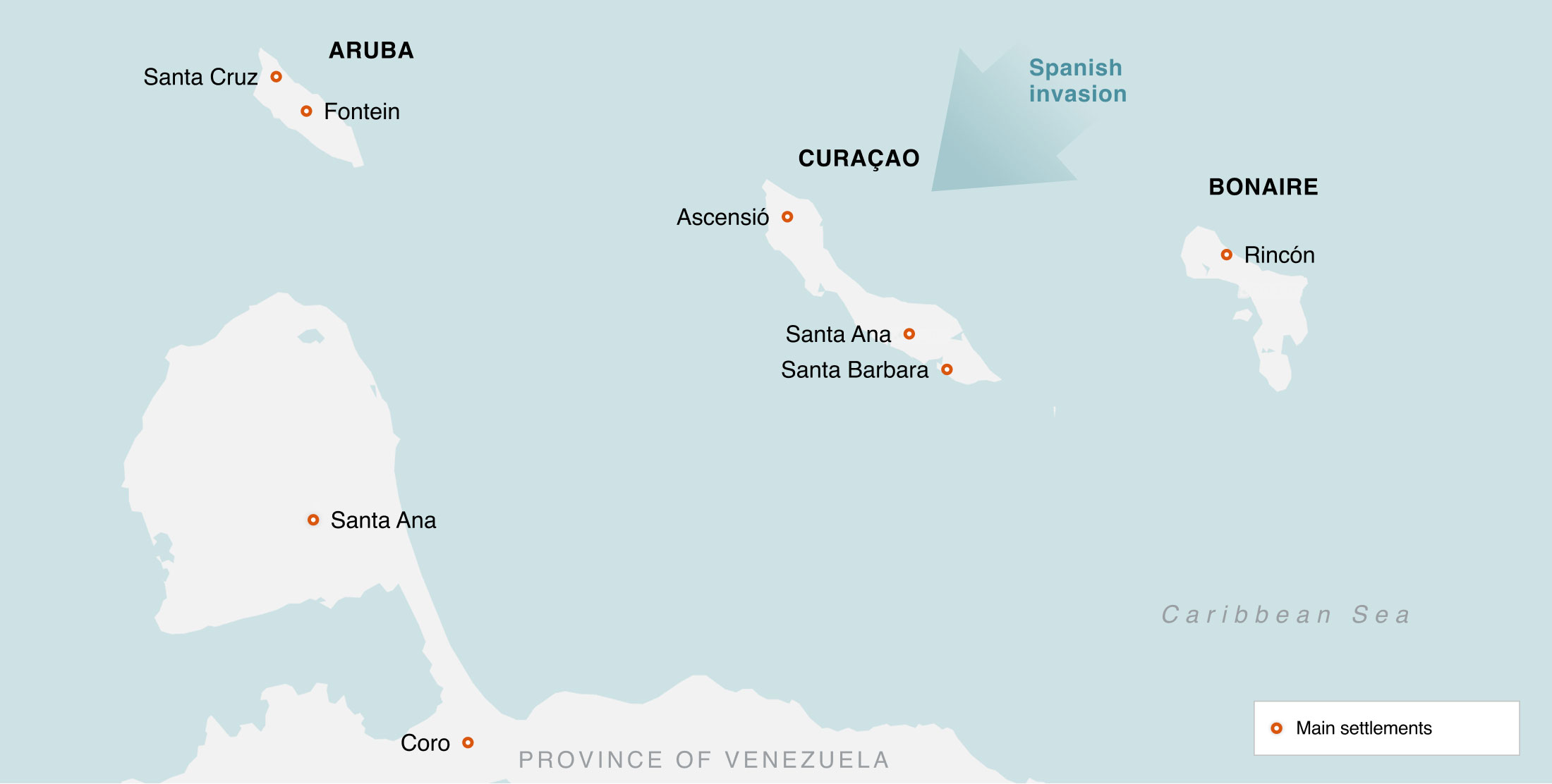
1498 – 1634
Spanish colonization of the islands was superficial as they considered the islands islas inútiles (useless islands) for settlement. During the first two decades of the 16th century indieros enslaved and deported hundreds of Indigenous in habitants to the copper mines on Hispaniola, practically depopulating the region. Subsequently, only small Indigenous populations lived in village sunder Spanish administration, herding livestock and farming for subsistence.

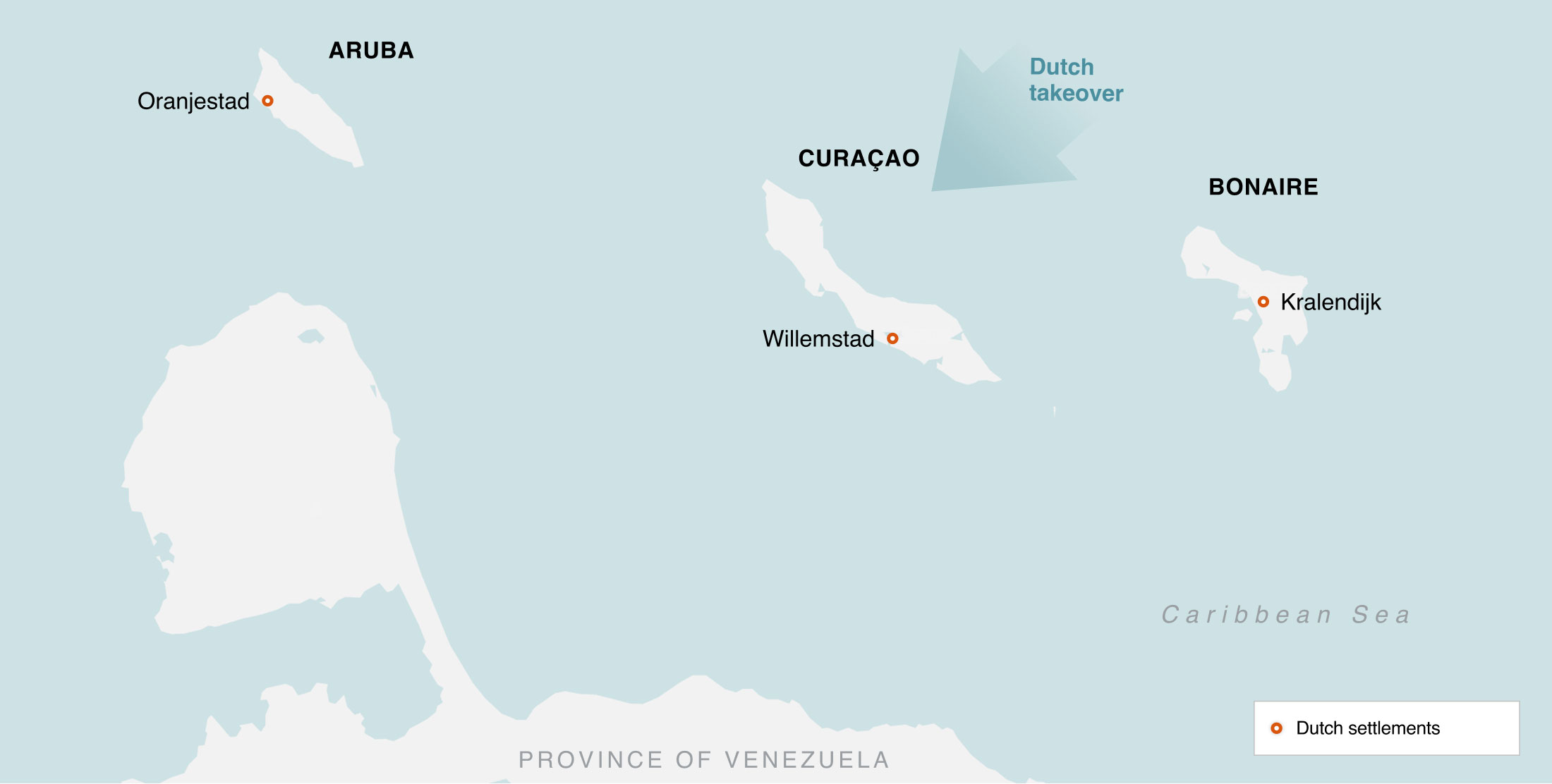
1634 – Present
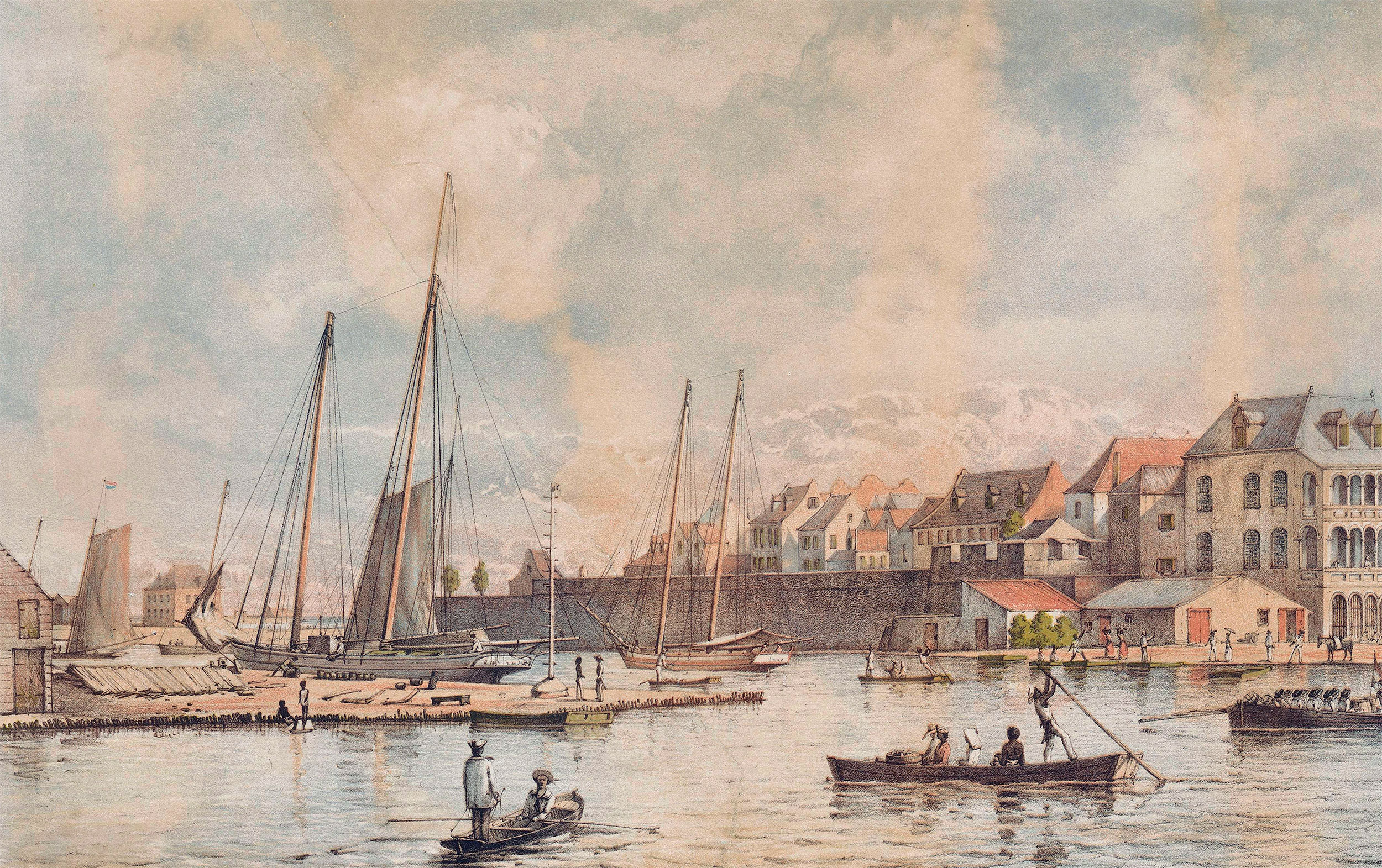
The Dutch West India Company (WIC) took control of Curaçao in 1634 and Bonaire and Aruba in 1636 with little resistance from the small Spanish and Indigenous population. They set up forts and their government seat at the mouth of the Sint Anna Bay, today’s Punda in Willemstad. Aruba was primarily a livestock ranch and Bonaire principally produced sea salt. Curaçao thrived as an entrepôt, becoming The Netherland’s most important Caribbean colony during the later 17th and 18th century.

1651 – Present
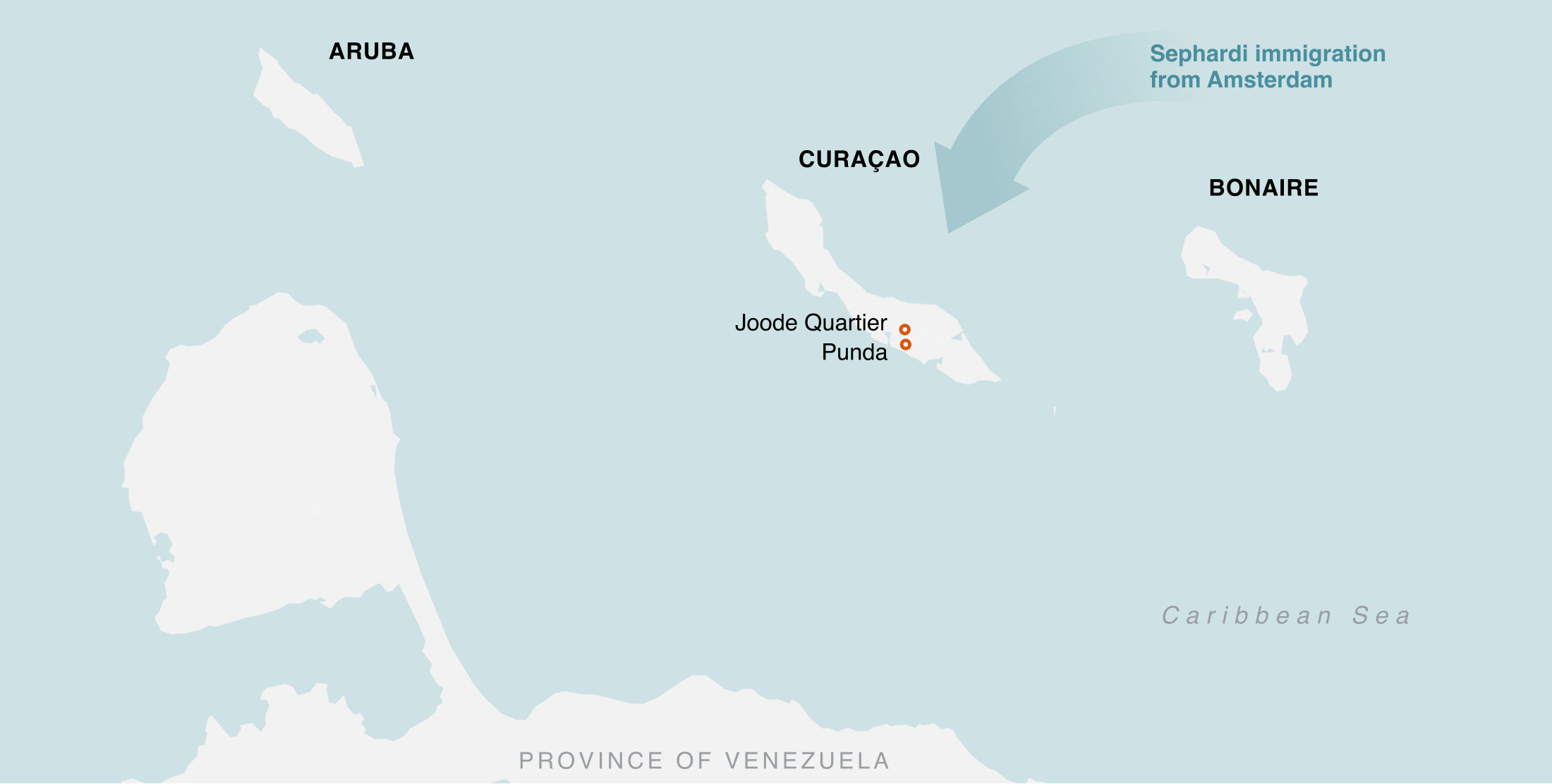
Invited by the WIC, the first small group of Jewish colonists headed by Pernambuco-born Joao de Ylan arrived in Curaçao in 1651. In subsequent years numerous Sephardi merchants settled on the island receiving support from the Company, being allowed to buy slaves, and granted religious freedom. In the 18th century, the Sephardi population came to account for half the white population, be coming the main agents of informal maritime trade with Tierra Firme.

1640s–1863
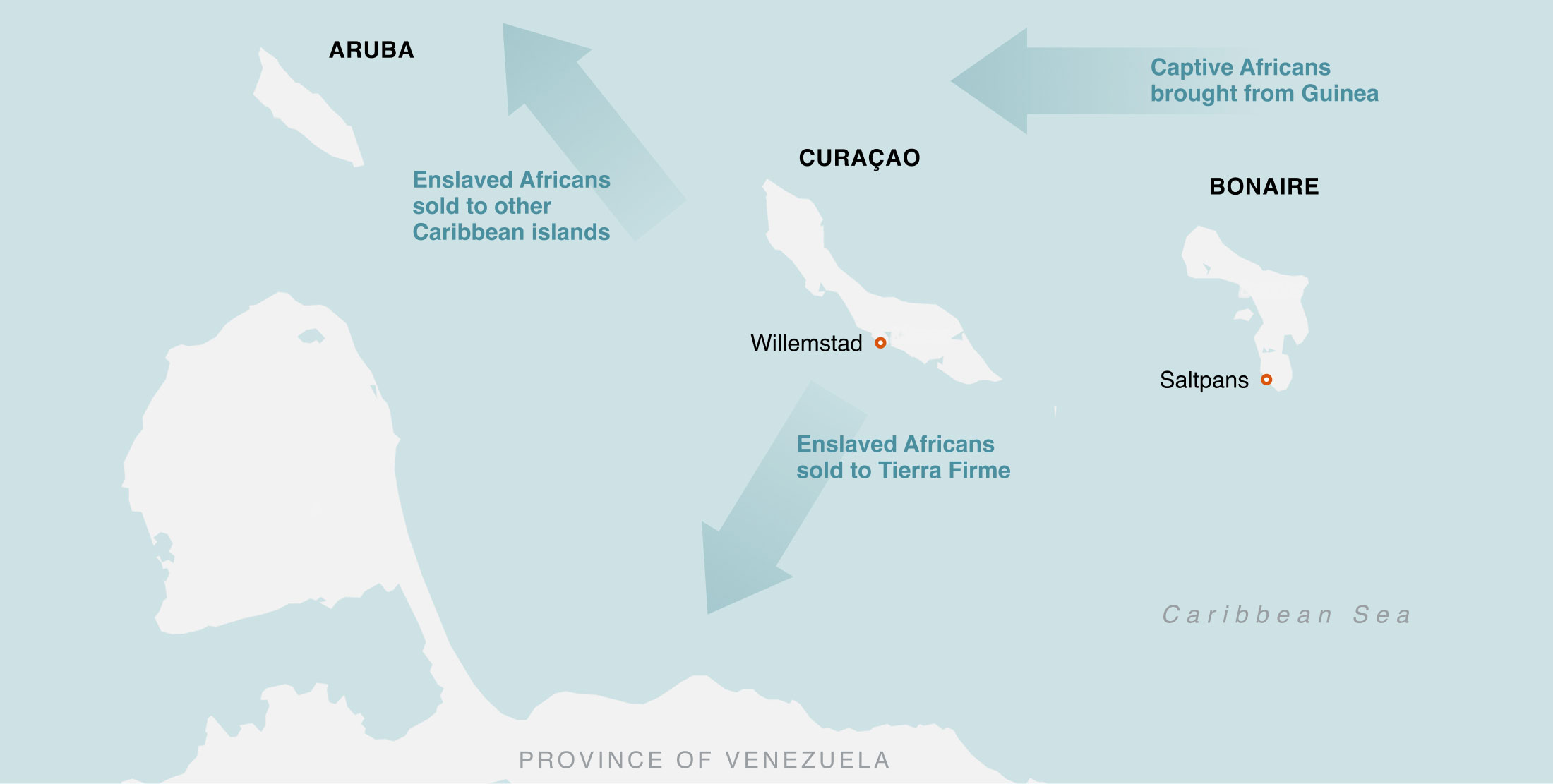
From the 1640s, the WIC used Curaçao as a depot for enslaved Africans from Guinea, supplying the Caribbean and Tierra Firme. By 1675, with an asiento from Spain to supply its colonies with captive Africans, Curaçao became the most important slavemarket in the region. Enslaved people labored on Curaçao’s plantations, in households, and in Willemstad’s port. Some were banished to Bonaire to toil on the saltpans. Slavery was abolished in the Netherlands Antilles and Suriname in 1863.

1650s–1820s
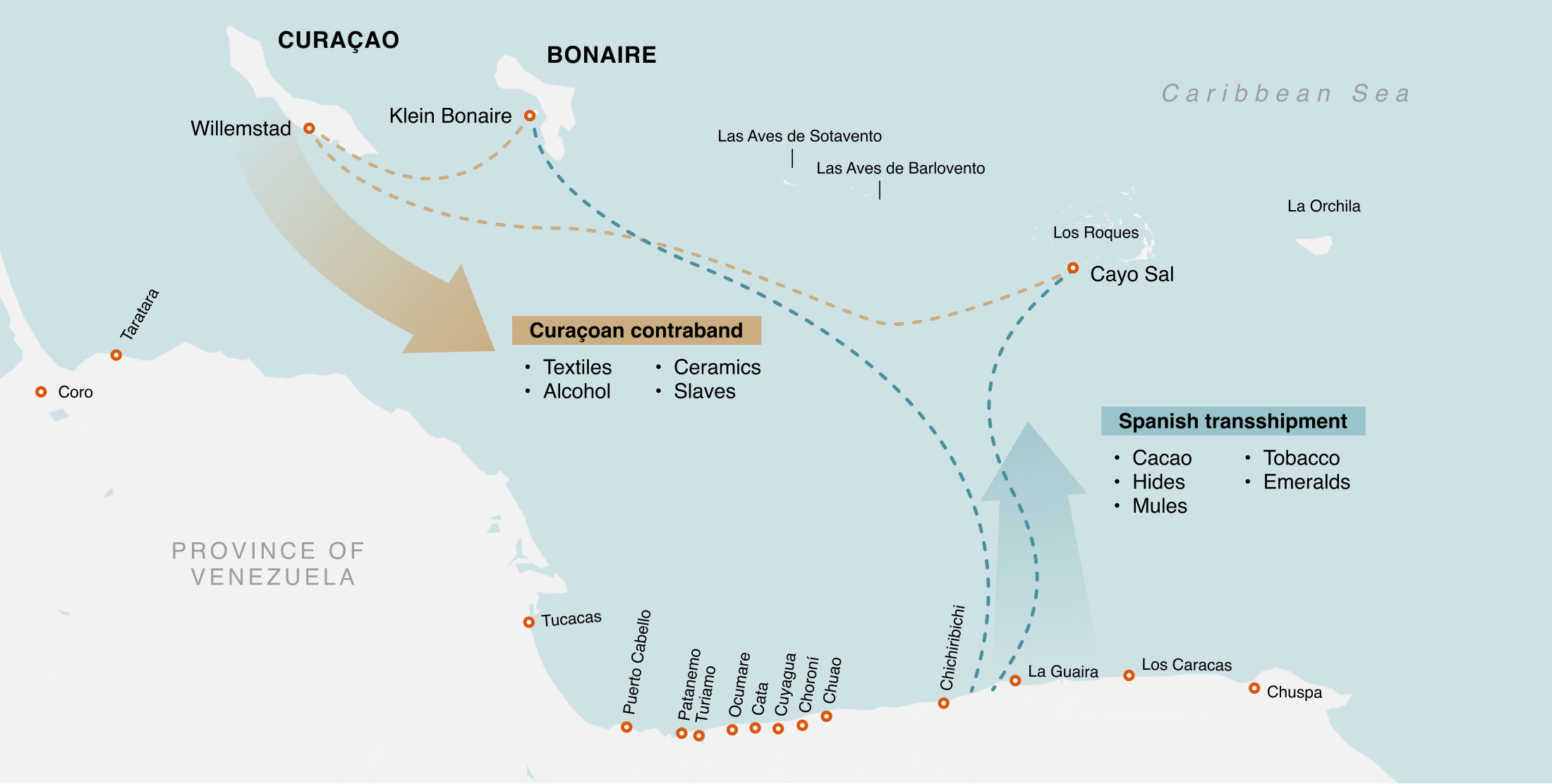
Dutch Curaçao was a six-hours ail from the Spanish main land and, beginning in the 1650s, Curaçao an ships began to trade essential goods like textiles and alcohol, lacking in the Spanish provinces, for prized cacao and hides. By the mid-18th century, this informal trade, out lawed and policed by Spain as contraband, came to represent half of Curaçao’s total shipping. The mélange of peoples and languages in the transimperial Southern Caribbean gaverise to Papiamentu/o, the creole language of the islands.

1830s–1880s
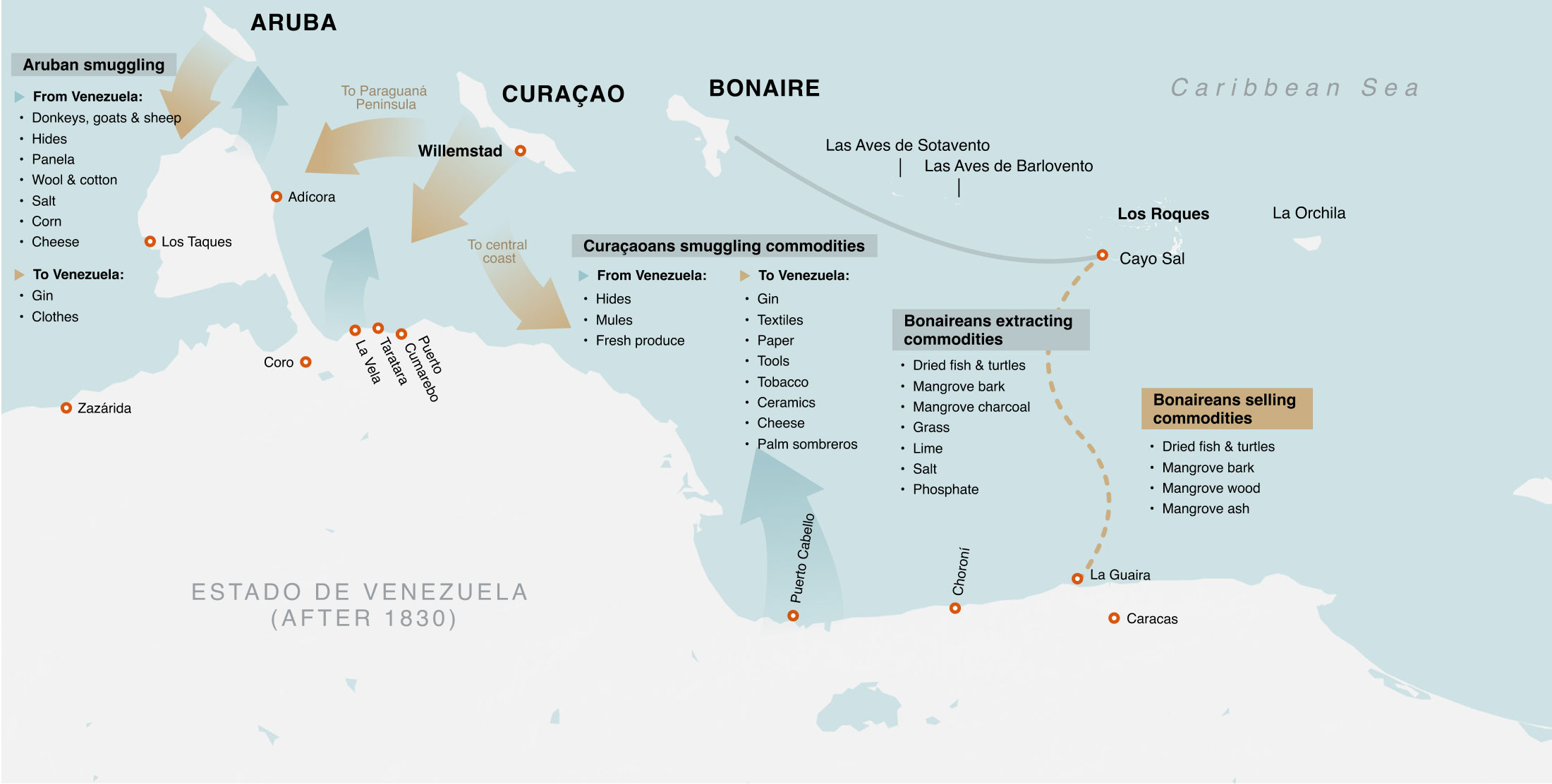
Following independence from Spain, the Venezuelan State was established in 1830. While cacao was no longer an important cash crop, other commodities were still regularly smuggled, skirting import duties and port taxes. Alcohol, mainly in the form of Dutch gin, continued to be sold in Venezuela, along with clothes and textiles. Meanwhile, Venezuela supplied the islands with hides and mules as well as vegetables and fruits. No longer illegal, to this day Venezuelan tres puños (traditional wooden ships) supply the arid islands with vital fresh produce.

Everyday Practices

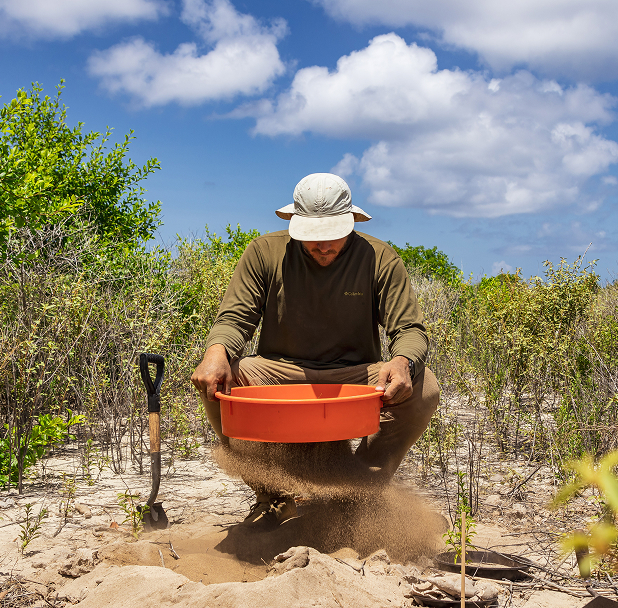
We undertake high-resolution archaeological excavations of sites to obtain detailed cross sections of the past everyday lives of Sephardi, enslaved, free, Dutch, and Indigenous people across the ABC islands.
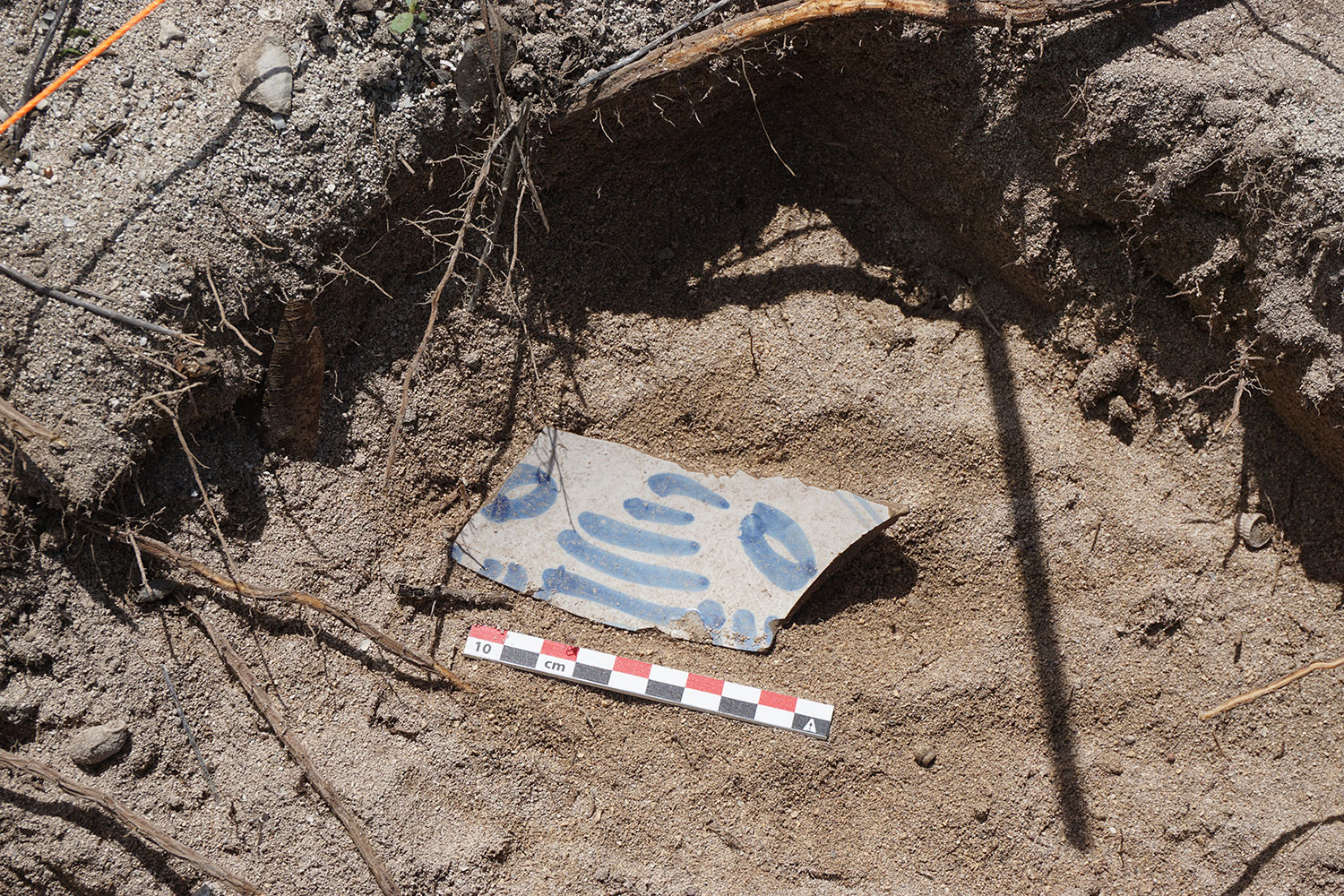
Everyday Voices

We research understudied archival sources related to the ABC islands to uncover unknown voices and the material conditions of everyday life—specifically, the entanglements between people, things, and places in the past.
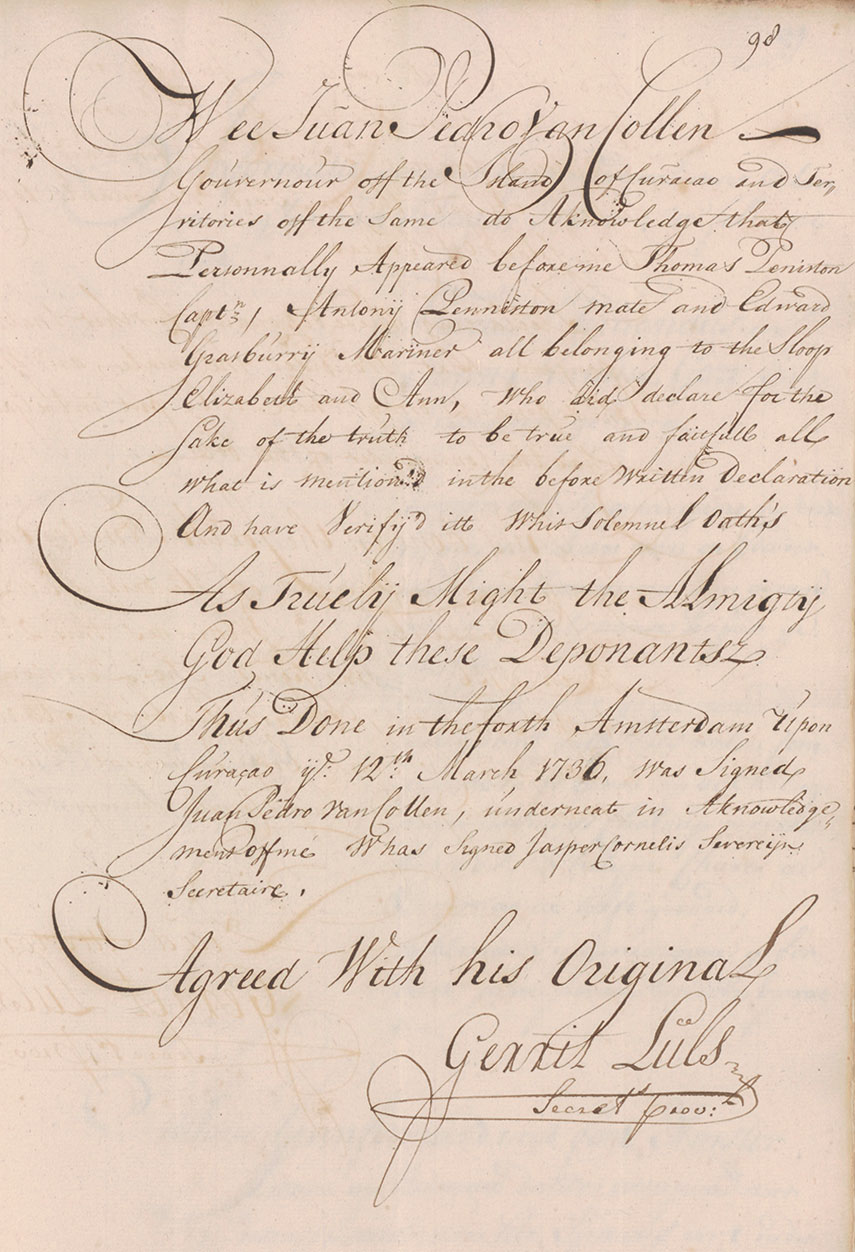
Everyday Consumerism

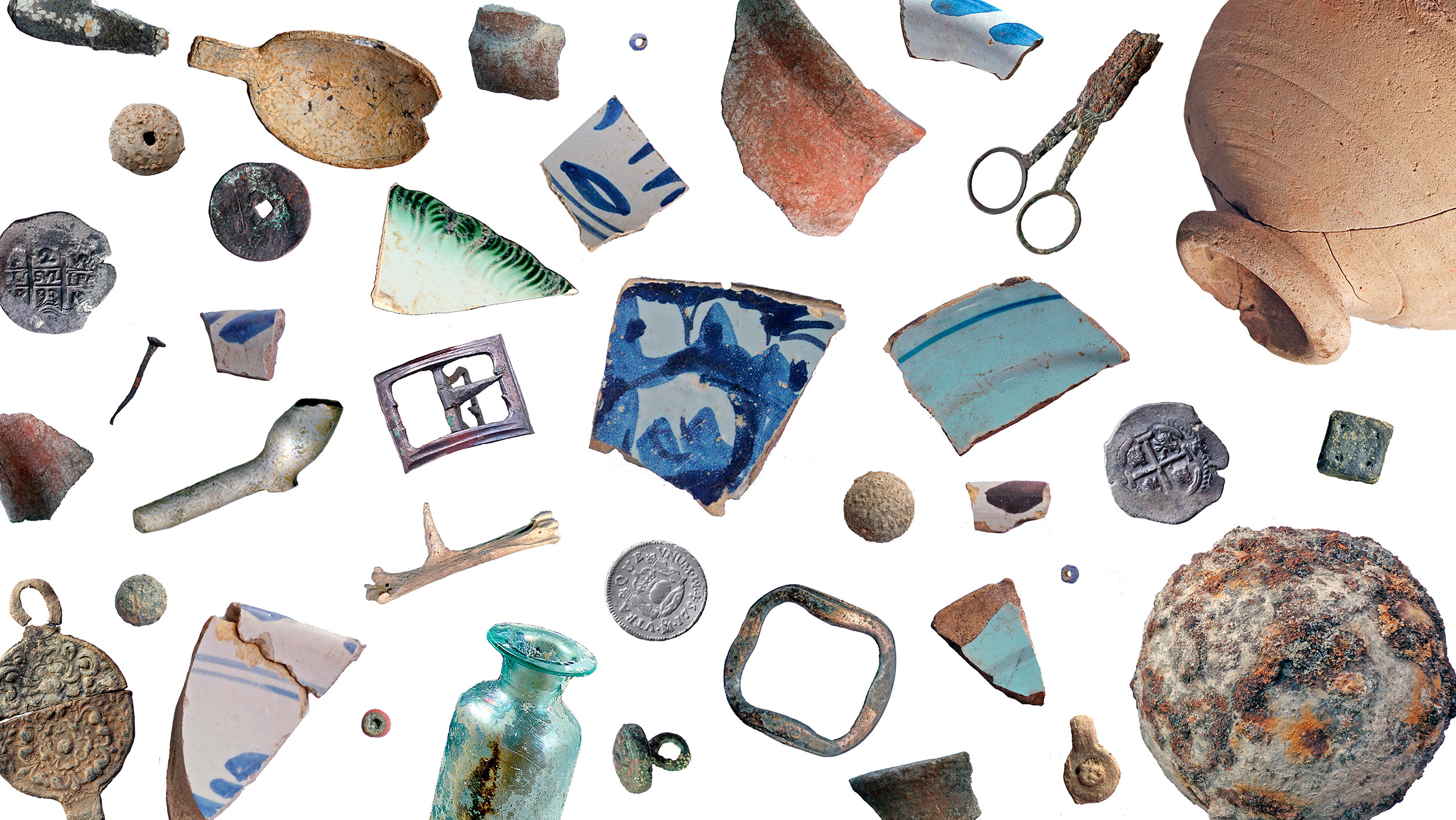
We investigate legacy collections on the ABC islands with new eyes to broaden our understanding of everyday life in the past through the material remains from previously surveyed and excavated sites.
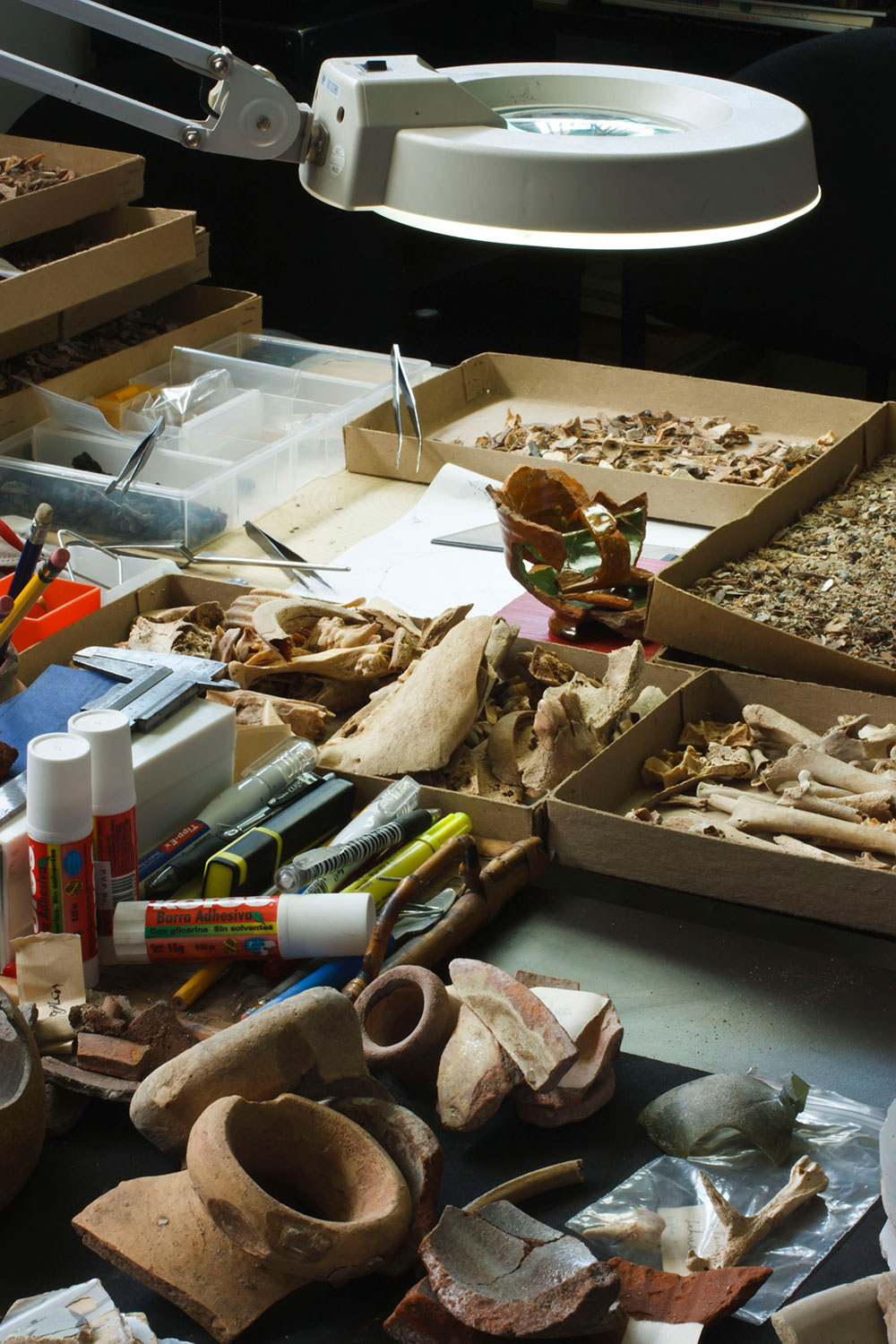
Everyday Trade

We perform chemical analyses of local, regional, and European ceramics found on the ABC islands to discover where these were made and how these were traded.
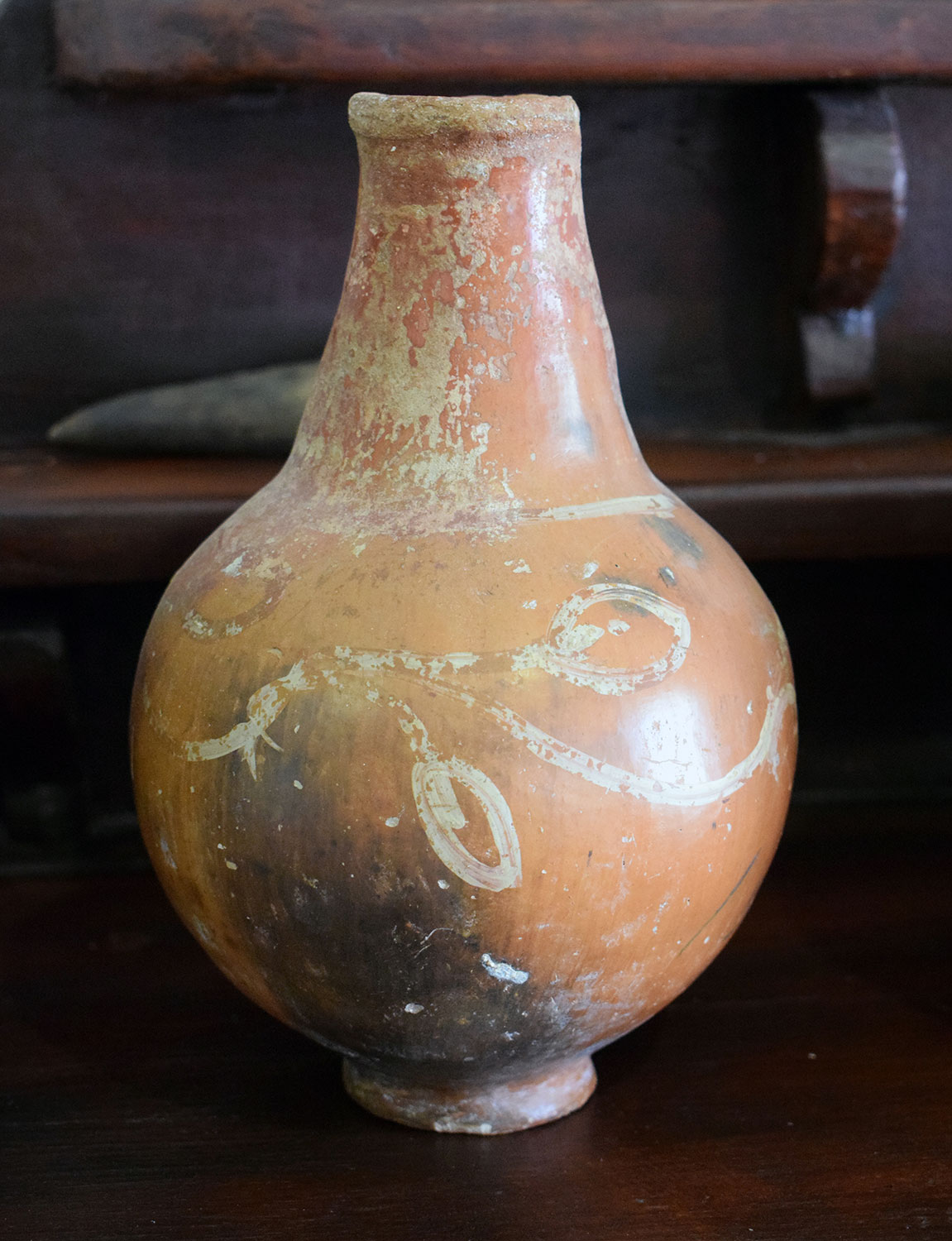
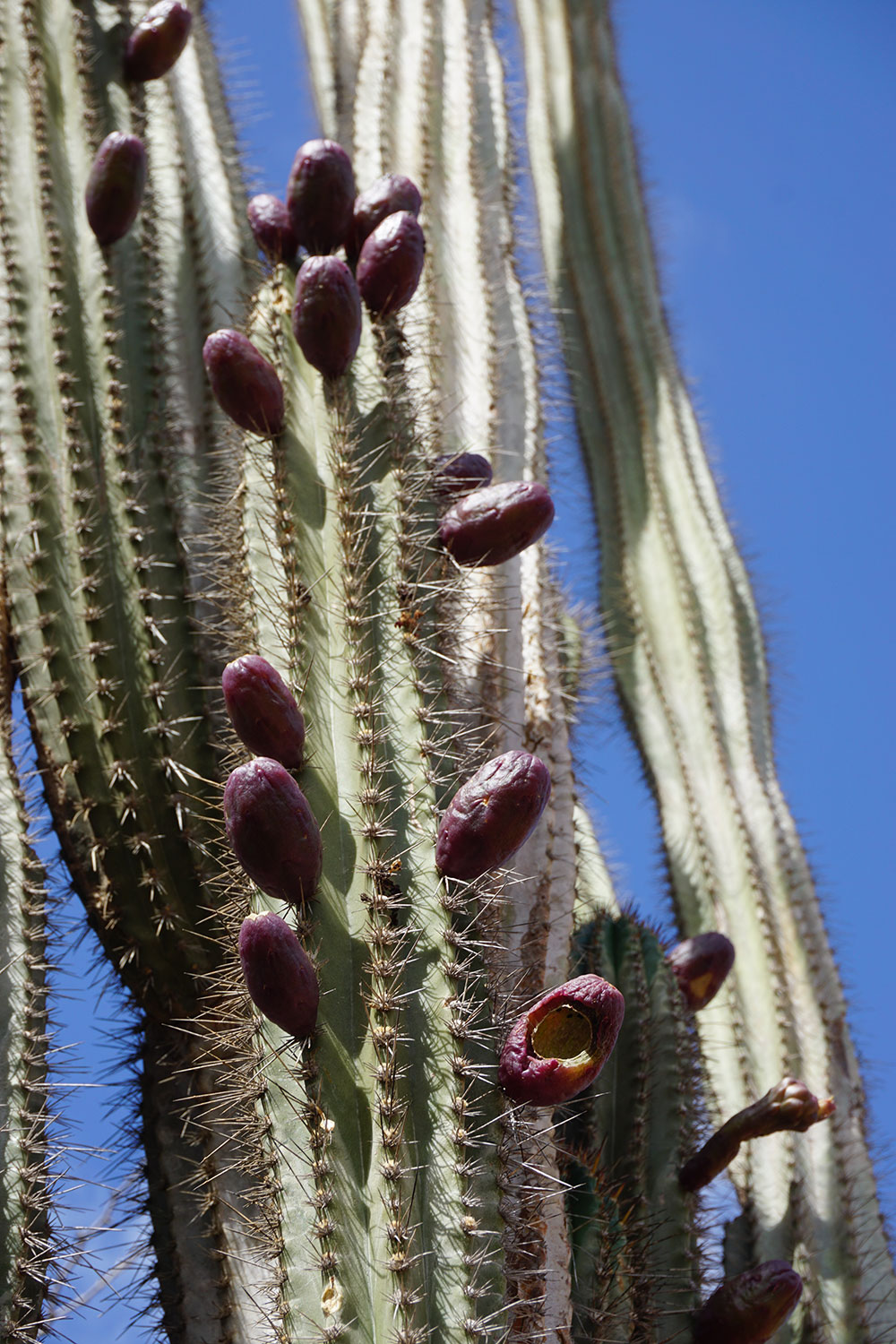
Everyday Plant Stories

We undertake archaeobotanical analyses and proteomics to reconstruct the elusive plant-derived ingredients people used at the sites we excavate on the ABC islands.
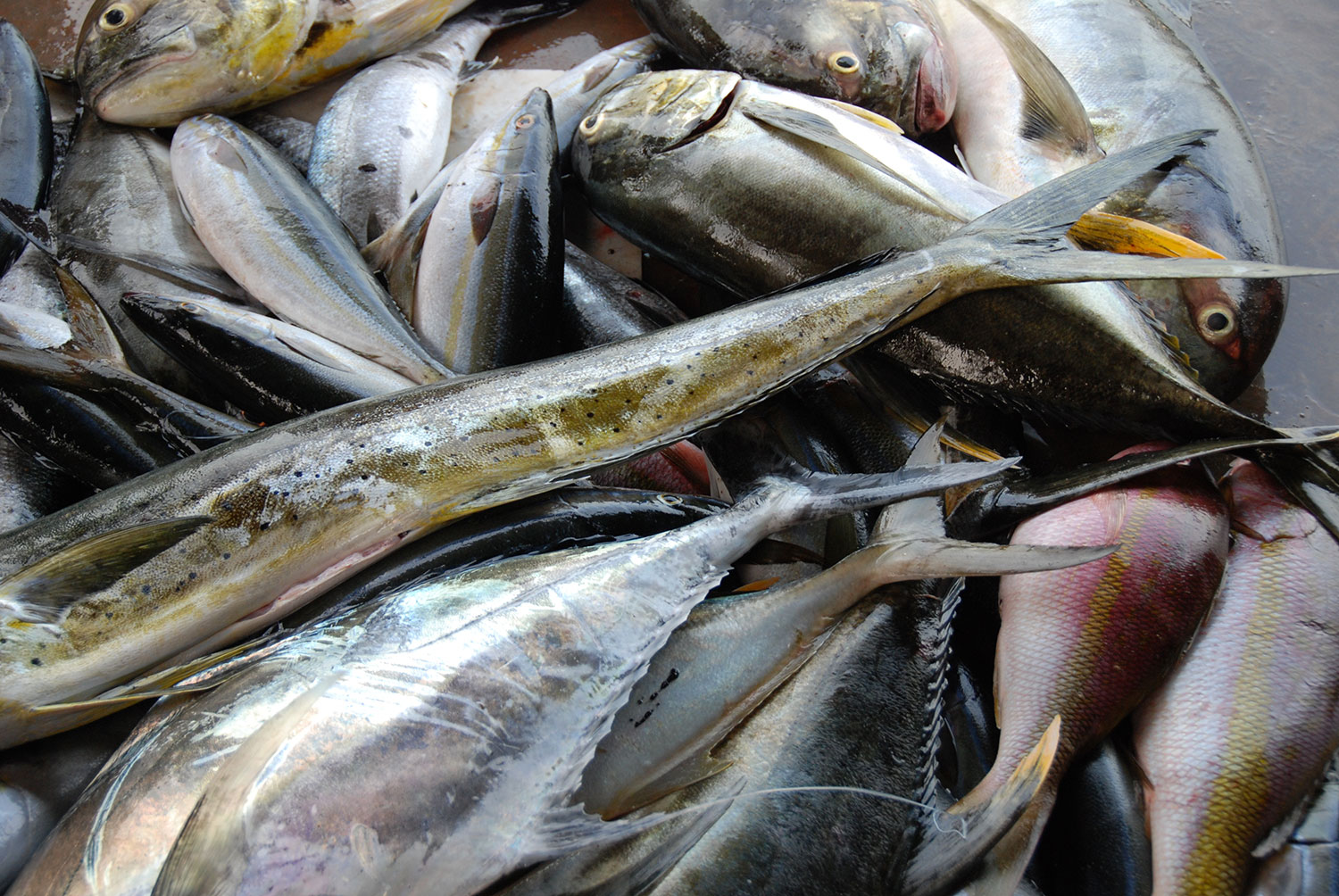
Everyday Animal Entanglements

We perform fine-grained zooarchaeological analyses, proteomics, and ZooMS collagen fingerprinting of the faunal remains from sites on the ABC islands to reconstruct past everyday foodways practices in detail.


Entanglement is a concept used in archaeology to help us better understand the close ties between humans and things.
View more
Assemblages of practice is a conceptual framework that bridges raw data and deep theory to reveal human-thing entanglements through spacetime.
View more
A campsite is a temporary place with tents, huts, or shelters, used transiently or for a season by highly mobile people.
View more
Households are places where people’s everyday lives principally occur, and where social structures are imposed but also resisted and reshaped.
View more
Everyday life is how ordinary people creatively navigate and resist social structures through their daily practices.
View more
Foodways are the social and cultural practices surrounding the preparation, serving, and consumption of food.
View more
Informal trade defines extra-legal commercial transactions not through the lens of empire, but through the eyes of its subjects.
View more
Alternative modernities are unique local articulations of materiality, culture, and power.
View more