
Ceramics Archaeometry

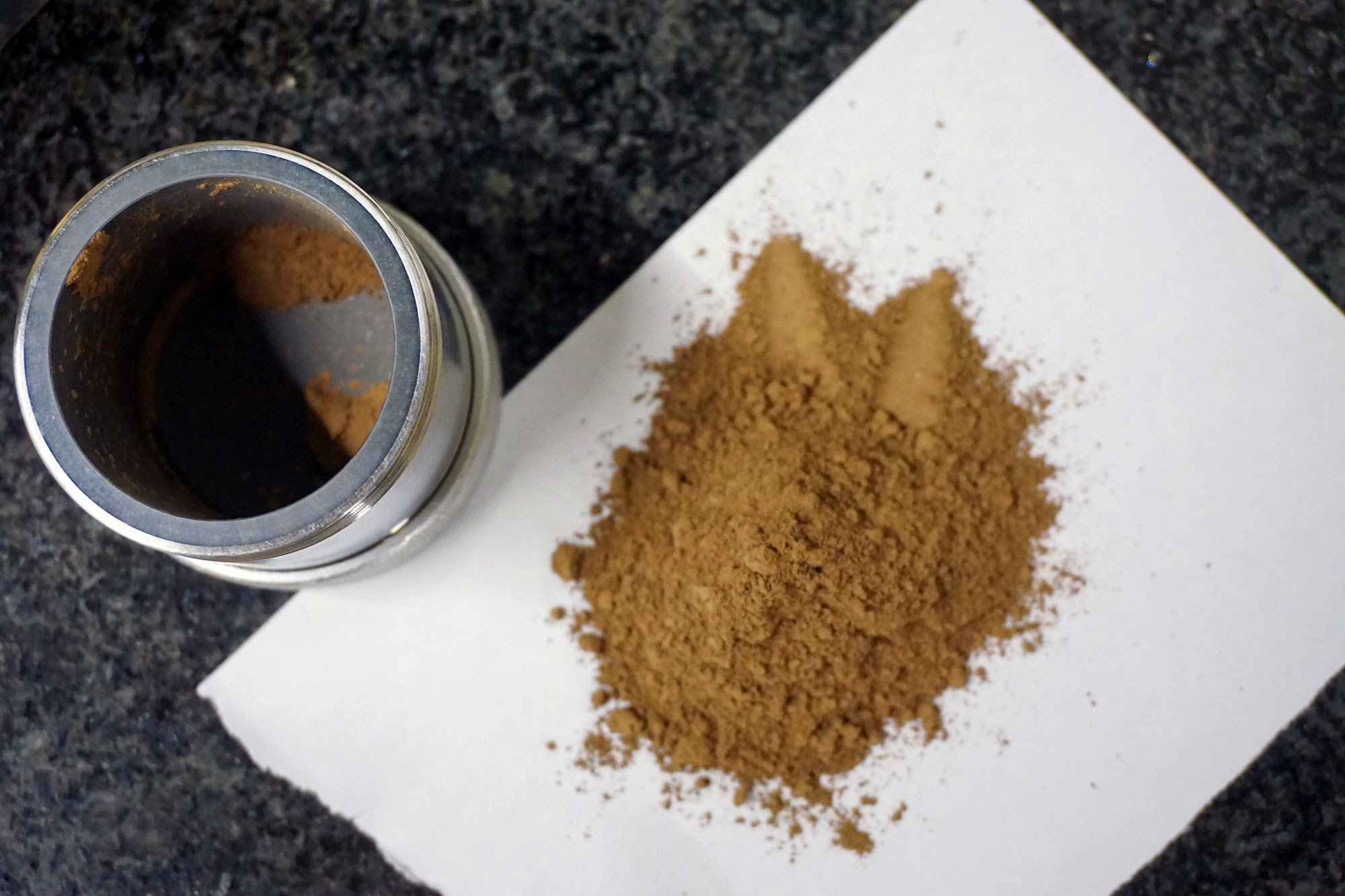
Classification of ceramics from Curaçao and Bonaire during archaeomteric sample preparation, Universitat de Barcelona, Spain.
This research line within IslandLives focuses on ceramic archaeometry, combining scientific analysis with digital approaches. A main focus is the study of coarse earthwares, everyday cooking vessels produced and traded between the Caribbean islands and mainland South America. Through archaeometric analyses, these ceramics shed light on regional exchange networks and reveal cultural continuities and transformations in foodways, technology, and identity during more than two centuries of colonial history.
The line also addresses imported British and Dutch delftware, the most common imported tablewares found in early modern Caribbean sites. Delftware, a type of tin-glazed earthenware widely distributed across the Caribbean and North America between the 17th and 19th centuries, has long posed challenges for archaeologists due to the difficulty of distinguishing Dutch from British production. By combining compositional analyses (pXRF, XRF, XRD, SEM) with typological and stylistic studies, this research aims to refine the identification, provenance, and dating of these ceramics, thereby shedding new light on historical trade networks and patterns of consumption.
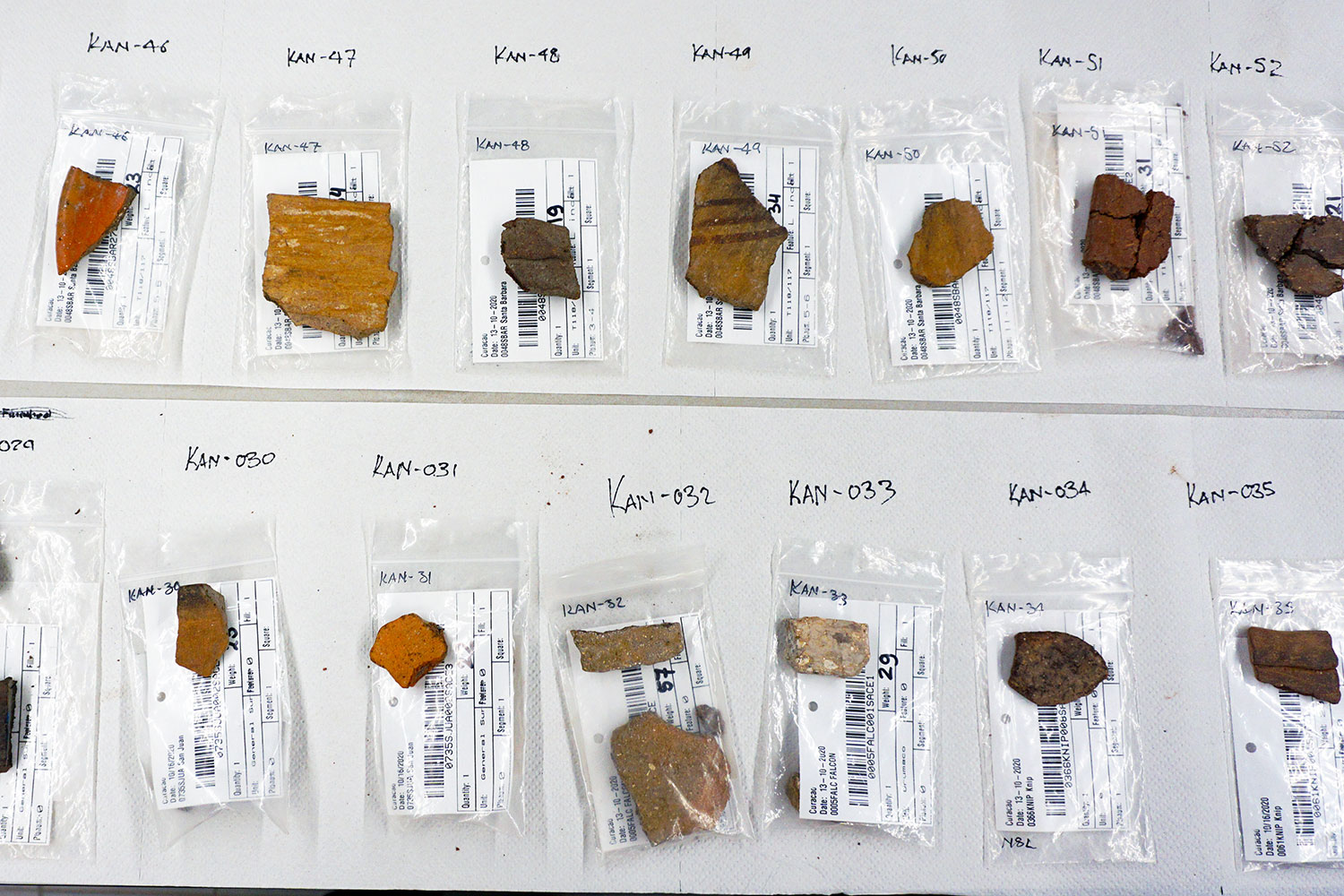
In addition, this research line includes the use of 3D documentation, modelling, and reconstruction of vessel repertoires, creating interactive visualisations that integrate archaeological and archaeometric data and make these materials accessible for both research and wider audiences.
3D Library of Ceramic Samples
Responsible of the research line
Júlia Coso Álvarez
Postdoctoral Researcher
julia.coso@upf.edu


